When the Pattern Doesn't Fit: Five Hair-Loss Signs That Call for a Diagnosis, Not Another Finasteride Refill
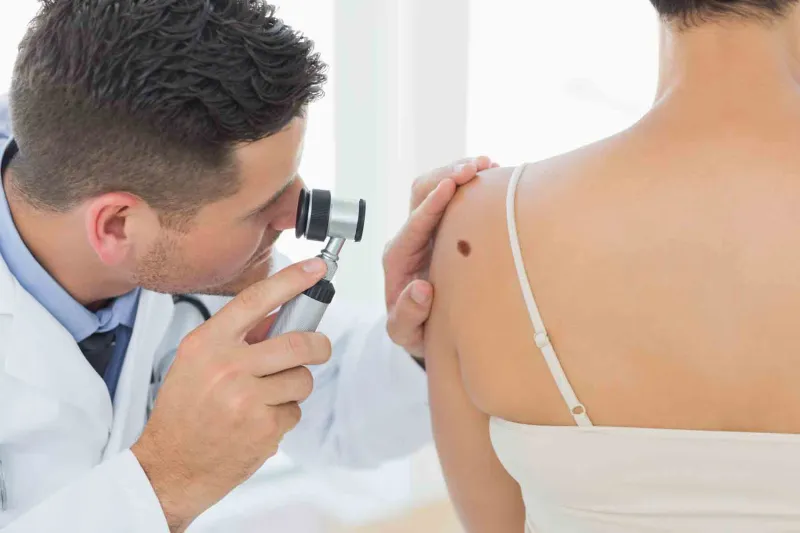
Photo: dermatologist examining scalp hair loss patient, via static.bettercare.com
Hair loss is not one condition. Finasteride is effective for androgenetic alopecia, or male pattern hair loss, because it reduces DHT, the androgen that drives miniaturization in genetically susceptible follicles. It is not a broad treatment for every kind of shedding. Some hair-loss patterns point to inflammation, autoimmune activity, nutritional deficiency, thyroid disease, or physical damage. In those cases, adding finasteride to the cart can delay the right diagnosis. The five signs below are not a complete list, but they are common reasons to see a board-certified dermatologist before starting or continuing treatment.
1. Sudden, Diffuse Shedding
A rapid increase in shedding across the whole scalp, more hair in the shower, on the pillow, or in a brush, can suggest telogen effluvium. Triggers include severe illness, surgery, high fever, major stress, rapid weight loss, thyroid changes, iron deficiency, and some medications. Finasteride does not correct these underlying issues. If shedding is accompanied by fatigue, palpitations, heavy periods, or unexplained weight change, a medical evaluation is especially important.
2. Scalp Pain, Itching, or Scaling
Androgenetic alopecia usually does not cause a painful or inflamed scalp. Persistent itching, burning, redness, scaling, or tenderness can point to seborrheic dermatitis, psoriasis, folliculitis, or a scarring alopecia such as lichen planopilaris. Scarring alopecias can cause permanent follicle loss if not treated. Finasteride will not calm inflammation or stop a scarring process. A dermatologist may need to examine the scalp, take a biopsy, or prescribe anti-inflammatory treatment.
3. Patchy, Smooth Hair Loss
Discrete round or oval patches of smooth hair loss can be a sign of alopecia areata, an autoimmune condition. It can affect the scalp, beard, eyebrows, or body hair. The pattern is different from the gradual recession and crown thinning of male pattern baldness. Alopecia areata may need topical or injectable corticosteroids, immunotherapy, or other treatments. Finasteride is not a standard treatment for it.
4. Eyebrow or Body-Hair Changes
Loss of eyebrow hair, thinning of body hair, or changes in hair texture can be a systemic clue. Thyroid disease, iron deficiency, autoimmune conditions, and nutritional deficiencies can affect hair broadly. These changes deserve a medical workup rather than a hair-loss pill. If eyebrow loss is accompanied by fatigue, dry skin, weight change, or temperature intolerance, mention it to a clinician.
5. Breakage and Mid-Shaft Thinning
Hair that breaks easily, feels rough, or shows mid-shaft thinning may be damaged by traction, chemical processing, heat, or grooming habits. Tight hairstyles, extensions, and repeated coloring can cause traction alopecia or trichorrhexis nodosa. Finasteride works on follicle miniaturization, not on broken hair shafts. The fix may be gentler styling, a break from tight styles, or a dermatology evaluation for structural hair disorders.
What Finasteride Is For
Finasteride is approved for male pattern hair loss at the crown and mid-scalp in men. It works best when the diagnosis is correct and when treatment is started early enough to preserve vulnerable follicles. It is not a treatment for telogen effluvium, alopecia areata, scarring alopecia, thyroid-related shedding, or breakage. Those conditions need different evaluation and sometimes different prescriptions.
When to See a Dermatologist
See a dermatologist promptly for rapid shedding, patches of smooth hair loss, scalp pain or scaling, eyebrow loss, or signs of scarring such as shiny skin and loss of follicular openings. Also seek care if hair loss comes with fatigue, rash, joint pain, fever, or other systemic symptoms. A dermatologist can examine the scalp, review medications and labs, and decide whether finasteride is appropriate.
What to Do Instead of Adding to Cart
Pause before buying another product. Take clear photos of the hairline, crown, and part line. Note when the shedding started and any possible triggers. List medications and supplements. Ask your primary care clinician about thyroid, iron, and vitamin labs if appropriate. Then see a dermatologist if the pattern does not fit male pattern baldness. The right diagnosis is not a delay in treatment; it is the beginning of effective treatment. This article is general information, not medical advice.